
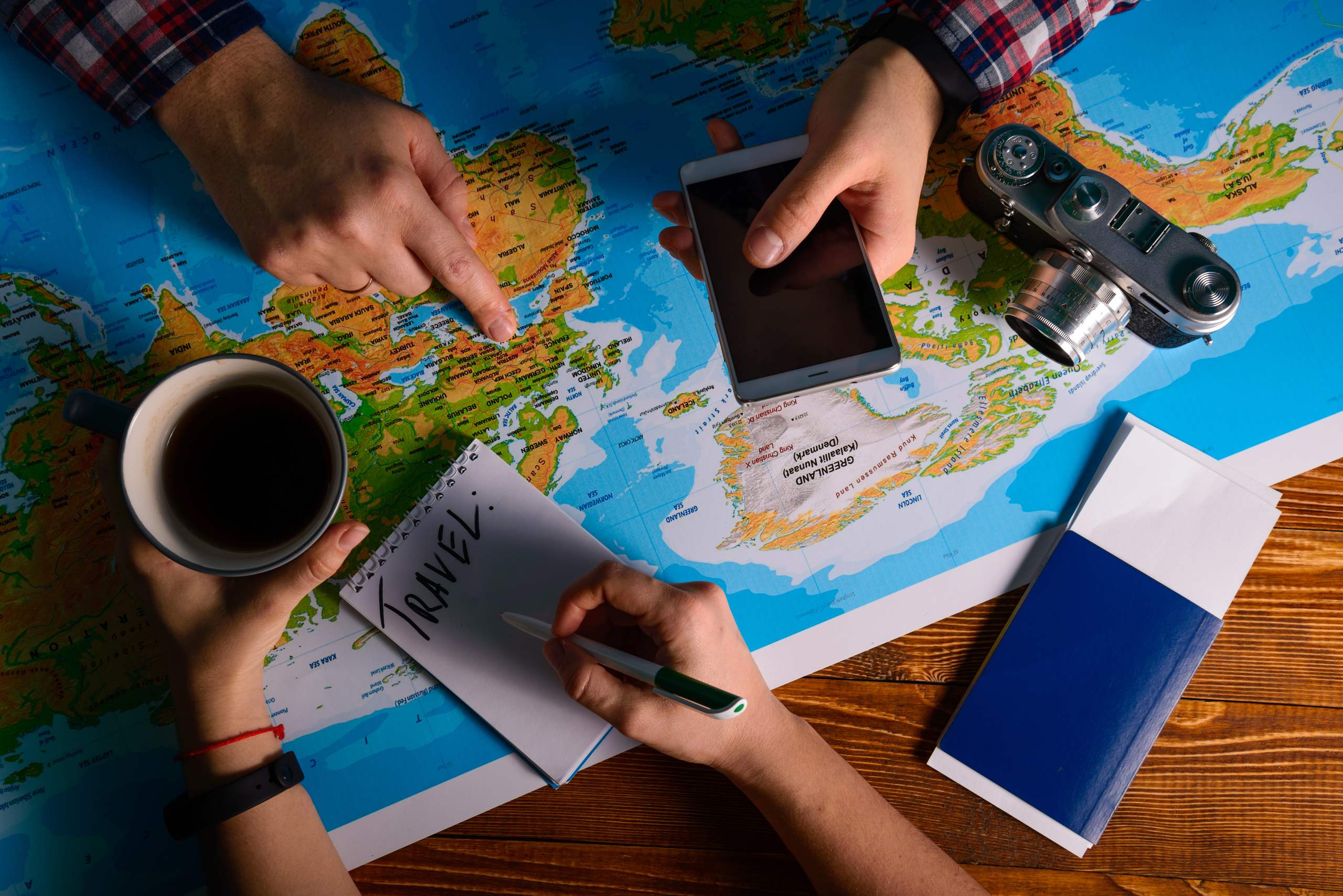
From the Outside, Tour Planning Appears Fun, But Behind Every Successful Trip
It is often tempting to romanticize the concept of creating a tour; it is a wonderful process. You can see the locations, the visitors, and the whole project. In reality, however, a tour involves specific systems. It involves research, planning, and problem-solving.
What, in fact, makes a tour? What goes into the making of a successful one?
A tour is made of a destination, but not all destinations on a map. You are building something, a system. So that you can create a tour that people want to experience, you have to know how people experience destinations and how to structure them in the first place.
Define the Purpose of the Tour
The first thing you should do when building a tour is to define its purpose. What type of purpose do you want? Do you want it to be about relaxation? To be an adventure? Cultural? Educational? Any combination of those things?
The purpose is important to your overall plan and will determine everything about your tour. From the destinations to the length, from your budget to your target market. A cultural tour of Europe is going to look completely different from an adventure trip to Asia, for example, because their focus is entirely different. One is about museums and history and the other is about activities and exploration. It is important to have a defined purpose for your tour. Otherwise, your tour ends up being a random collection of destinations, and the clients who purchase it are unlikely to have a memorable or meaningful experience.
Choose and Structure Destinations
Once you have decided upon the purpose of your tour, it is time to think about which destinations you would like to include. This is when many first-time tour designers make a huge mistake.
Instead of thinking about what type of destinations appeal to the clients, they think about what places they personally enjoy. But, while a good tour is a collection of locations, it is also about the overall journey. A journey from one place to another, from point A to point B, in a logical order.
Tour designers must consider how long it will take to move between locations, how easy it is to get around the city itself, and whether there are any weather-related concerns that would limit the seasonality of your tour design. And they must keep in mind that changing the order of the places can have huge impacts on the trip.
You want to make a tour that flows easily from place to place, one that is comfortable and manageable for the clients.
Build a Itinerary
A key piece to the success of any tour is the itinerary, which is simply the daily schedule. What do you plan for each day? How much time should clients travel and for how long? How do you organize each activity?
Often, novice tour designers will try to pack an entire tour day with too many activities and not enough travel time, which will be exhausting for the client. A successful tour is one in which the clients can relax, as well as explore, on the tour. Also, be sure to think about the time of day when the itinerary was written. A tour that starts at 9 a.m. and ends at 6:00 p.m. is going to feel very different from a tour that goes from 10:00 a.m. to 4:00 p.m. Also, remember to be flexible in the face of potential schedule disruptions. You don’t want to be so strict that you cannot adjust your plan if it doesn’t make sense on your tour date.
Plan for Logistics
In order for the tour to work, the travel and logistics must go smoothly. A good tour designer will take the time to research the logistics of the locations to be visited, whether that be booking the hotels or transportation.
Often, clients who book a tour do not even realize how much work a tour designer puts into the actual logistics of the tour. And they may not be aware of this information. However, it is vital to make sure the tour’s schedule can be accommodated by the various tour service providers. You will have a better understanding of this by researching the logistics of each destination as thoroughly as possible. A professional tour designer will always have contingency plans in case something unexpected happens during the trip.
Design an Experience, Not a Trip
Finally, successful tour design is not just about getting clients from one place to another; it is about designing an experience. A good tour designer will not only include the obvious, but will focus on things like the storytelling, local flavor, and activities that can help to provide a memorable experience for clients to have.
What people will remember about your tour is how well they enjoyed every step of the journey. Even after the trip, your clients should be able to recall exactly how your tour design made them feel. And the experience should be something that would make them want to travel with you again and again.
To conclude
As a tour designer, you need to know how to organize a destination and create an entire tour around them. You have to be creative and organized at the same time. But once you know how to plan destinations, how to structure the itinerary, what logistical details must be accounted for, and how to design a complete experience from a tour to your destination, you will be able to design a tour that people want to experience.